
Dating in the back blocks
- Claire Inkson

- Feb 9
- 5 min read

Dating has never been simple, but for rural New Zealanders it can feel especially stacked against you.
Distance. Long hours. Small communities. Everyone knowing your business. Add dating apps into the mix and suddenly love feels less like a romance and more like a logistics exercise.
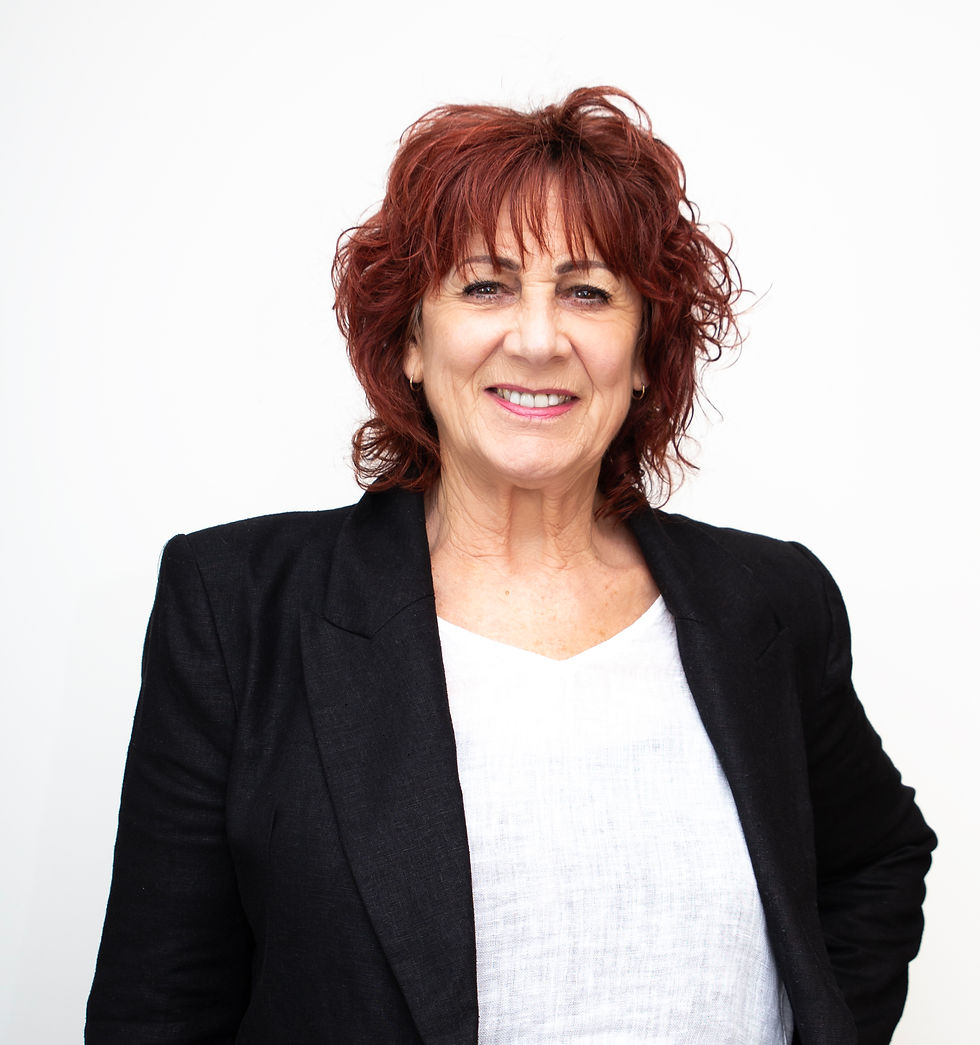
Christchurch-based dating coach Jude Gane sees it every day.
“Everyone’s single,” she says. “But no one’s making it work.”
App fatigue is real
Dating apps were meant to make things easier. In some ways, they did. They opened up options beyond the local pub or A&P after-party.
But something has shifted.
Globally — and in New Zealand — dating app engagement has flattened or declined, particularly among people over 35.
Local market tracking shows active users on major apps like Tinder and Bumble have dropped in recent years, even though downloads remain steady.
People are still signing up — they’re just not sticking around.
Gane isn’t surprised.
“Apps can be really good if they’re managed well,” she says. “But what’s happening now is people meet someone, think they’re ‘quite nice’, go on one or two dates — and keep swiping. They’re always looking to see if there’s someone better.”
The result is fewer second chances and less connection.
“We’re not giving people a real go anymore.”
Rural dating isn’t just about geography
Yes, distance matters. But Gane says the real challenges go deeper.
She also sees rural people — particularly farmers — being misunderstood.
“Farmers are incredibly trusting. They’re emotionally intelligent, they care deeply about their stock and their land — but that trust can mean they’re not always as discerning as they should be.”
She’s seen everything from mismatched expectations to people turning up with overnight bags on a first meeting.
“That’s not dating — that’s someone chasing a lifestyle, not a person.”
Why rural women often have it harder
If rural dating is tricky for men, it can be harder again for women.
“Rural women are often really visible in their communities,” Gane says. “They’re well known. So the minute they start dating, it’s noticed — and judged.”
Add childcare, work, distance and the reality that someone usually has to move, and the stakes feel higher.
“It’s not impossible,” she says. “There are very good men out there. But it does take confidence.”
Confidence is key
For both men and women, much of Gane’s advice comes back to confidence — and building it steadily.
“Confidence builds through action, and the more you do socially, the more confident you become.”
But she also stresses the importance of emotional safety — especially for rural people who can feel isolated or under pressure to make dating work.
“Don’t give too much of yourself in the beginning,” she says.
“When people are lonely, they put enormous pressure on dating.
“That’s when red flags get ignored. They want something so badly they stop being objective.”
How to swipe..right
Despite the fatigue, Gane doesn’t tell people to ditch dating apps altogether.
“They’re fine — as long as they’re an add-on, not your whole dating life.”
Her non-negotiables:
· Know what you want — and what you can realistically offer
· Use recent, natural photos (no heavy filters, no decade-old pics)
· Show real life, not a posed version of it
· Don’t get emotionally invested before you’ve met in person
“If someone doesn’t like the real you, that’s okay. That’s not your person.”
First dates: keep it simple
Dinner might sound romantic — but Gane isn’t a fan for first meetings.
“It’s a long time if you’re sitting there thinking, ‘Gosh, this is hard.’”
She prefers walking or coffee — low-pressure situations where conversation can flow.
And one rule she’s firm on: ask the other person about themselves.
“Women leave dates saying, ‘He talked about himself the whole time.’ Dating isn’t an interview — but it is a conversation.”
Slow it down
Gane is also upfront about one of the biggest traps she sees people fall into — especially after long relationships or periods of loneliness.
“I’m going to be a bit controversial,” she says. “I think people jump into bed too early.”
She’s not anti-sex — but she is pro getting to know someone first.
“What happens is people start liking having sex with someone and forget about getting to know the person,” Gane says. “On two or three dates, you don’t actually know them.”
Months later, once the novelty wears off, reality sets in.
“That’s when people say, ‘Oh, they’re a narcissist’ or ‘they were avoidant’.
“Often they were just never your person — you just didn’t slow down long enough to see it.”
Her advice is simple: build connection before intimacy.
“Get to know how someone communicates and what their values are first.”
Honesty beats hard-to-get
Waiting days to text or trying to appear uninterested doesn’t help, she says.
“If you like someone, tell them. Dating is vulnerable enough without games.”
A simple message is enough: I enjoyed meeting you. I’d like to see you again.
“If they say no, that’s okay. Everyone you like doesn’t have to like you back.”
Her advice for rural people?
Go — to the events, the gatherings, the sports nights, the community things.
Go anyway — even when you’re tired. Even when it’s cold. Even when it’s a 45-minute drive.
“Say yes,” Gane says. “Fill your life with people and experiences. When your life feels full, a relationship becomes something you want — not something you need.”
A rural tip for men: don’t do it alone
One pattern Gane sees time and again is who turns up to her Singles Mingles— social events she hosts in cities and rural towns around the country, designed to give people a chance to meet face to face, without the pressure of dating apps.
“At my events I always have miles more women than men,” she says. “Men tend to come on their own, while women arrive in twos and threes.”
For rural men, she encourages bringing backup.
“Find another single mate and go together. That’s confidence-making. Women run in packs and have built-in support. Men are often more solitary — and that can make it harder.”
Dating :it’s a numbers game
Not every person you meet will be “your” person. And that’s okay.
“Just meet people,” Gane says. “Some will become friends. Some will lead you to other people. Everything’s an opportunity — especially in New Zealand.”
Above all, she says, don’t stop living while you wait.
“Confidence, happiness, and a full life are incredibly attractive. When you focus on that, the rest tends to follow.”


Comments