
International Rural Women's Day: Corina Jordan

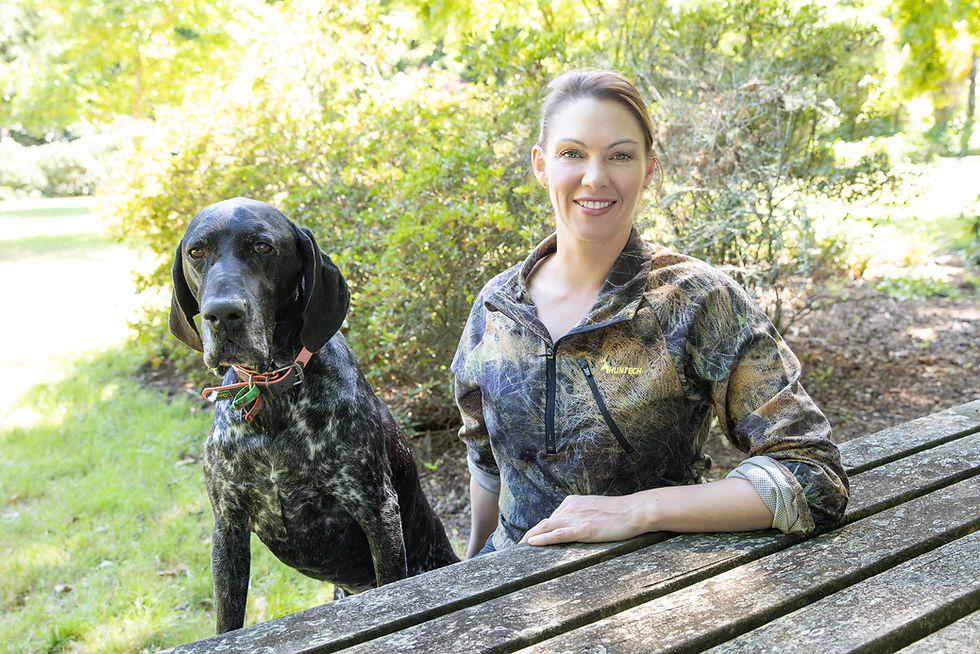
Corina Jordan is Chief Executive of both Fish & Game New Zealand and the New Zealand Game Animal Council, bringing a career that has crossed conservation, freshwater and farming advocacy.
A former senior leader with Beef + Lamb New Zealand, she has spent much of her career working across the sometimes contested space between agriculture and the environment.
Your work sits at the intersection of freshwater, conservation, recreation and rural communities. What has shaped the way you approach leadership in that space?
I grew up around farms in Taranaki and spent holidays running wild in Northland catching flounder. I've since worked both sides of the fence, at Fish & Game and then at Beef + Lamb New Zealand. When I moved between them someone asked if I was the gamekeeper turned poacher, but that framing has never sat right with me. Farmers want and depend on a healthy environment as much as anyone.
That crossover taught me the best outcomes are built by communities, not imposed on them. I lead by asking a lot of questions and listening hard, bringing people together, and then taking decisions and implementing actions.
Freshwater can be a highly contested issue in New Zealand. What have you learned about finding common ground when people come to the table with very different perspectives?
That most people, stripped back, want the same thing. A healthy environment for their kids and grandkids. The disagreement is usually about how we get there, not where we're heading.
So, I start with what we share, not what divides us. When I moved from Fish & Game to farming advocacy, I expected the values to clash. But farmers also care deeply about water and land because it's their livelihood and their legacy. The moment you treat people as adversaries, you lose them. Treat them as partners in the same outcome and real problem solving becomes possible. Catchment groups show that when people own the solution, they make it work.
How important is it that rural women are represented in conversations about land, water and the future of our natural environment?
Essential, and we've a long way to go. Very few Fish & Game councillors are women which means decisions don’t reflect the wider population. I’ve watched how women change the dynamic in a room - more space for how people are feeling, more willingness to sit with a problem before firing off a response. I’d like to see more women join Fish & Game Councils.
Rural women have always done the work, on the land, in the catchment groups, holding families and communities together. It's time that was matched by a real seat in the decisions, but we’ve got work to do to make that attractive to more women.
What gives you the most optimism about the way rural communities and environmental organisations can work together?
The catchment groups where farmers and communities lead their own restoration work, put wetlands back, and protect their waterways.
Fish & Game does an enormous amount of heavy lifting for freshwater, but the real momentum comes when landowners and organisations pull in the same direction.
What does being a rural woman mean to you in 2026?
For me it's knowing where your food comes from because you've grown it or caught it yourself, and caring about doing that ethically.
It also means resilience. Rural life builds character. You get knocked around, sometimes literally, and you get back up. But in 2026 it should mean being visible and heard too, not just quietly doing the work the way rural women always have.
What is the one thing you would change for rural women tomorrow if you could?
I'd put them at more decision-making tables straight away, no waiting for the numbers to slowly improve on their own. In governance, in catchment leadership, in the rooms where the future of land and water gets decided. The talent and knowledge are already out there. What's been missing is the seat and the invitation.
What's your rural superpower, the skill, quality or instinct you rely on most?
Listening. I ask questions and I actually wait for the answers. I am actually listening, not waiting, and taking on board what they’re saying and where they are coming from.
Most of what I've managed to do, whether rebuilding trust in an organisation or finding common ground between people who arrived as opponents, has come from listening first and deciding second. Not flashy, but it's the thing I trust most.


Comments