
Opening the Gate Early: Why rural wellbeing support needs to feel practical, private and easier to access

For years, rural New Zealand has been told to “speak up” and “reach out” when things get tough.
But for many people living and working in the country, asking for help is rarely that simple.
Isolation, workload pressure, financial stress, relationship strain and the deeply ingrained culture of simply “getting on with it” can all become barriers long before someone ever reaches crisis point.
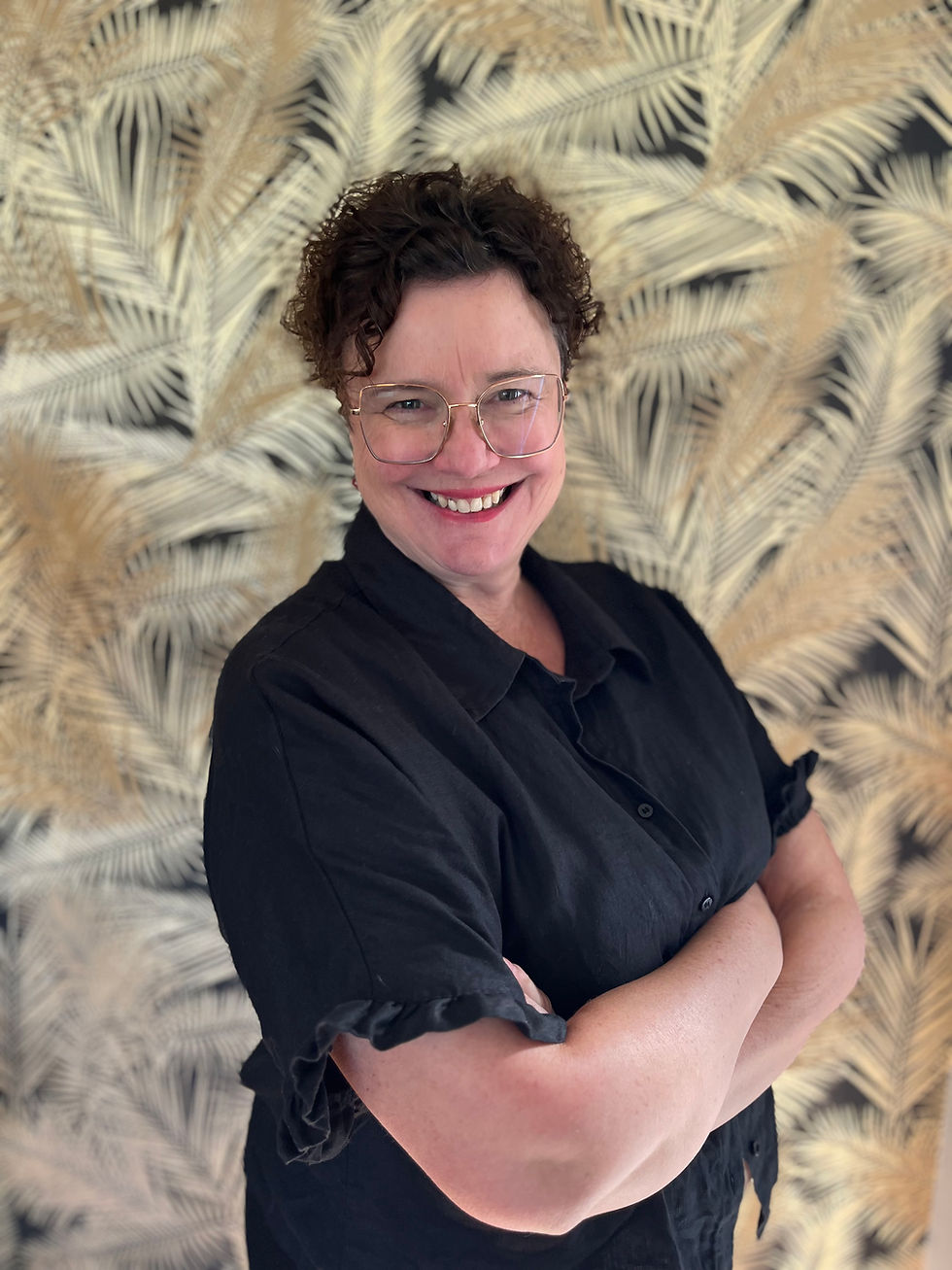
That is where Fiona McCracken believes things need to change.
After years working across counselling, addiction services and national workplace wellbeing programmes, McCracken recently launched Wayleggo Support NZ, a service designed to connect rural New Zealanders with counsellors who understand farming life.
Much of her previous work involved Employee Assistance Programmes, often known as EAP services, which provide workplace-funded counselling and wellbeing support for staff.
While common in larger corporates, McCracken said rural businesses and farming families often miss out on those kinds of support systems.
“A lot of those services are built around large organisations, and rural people can fall through the cracks a bit,” she said.
The name Wayleggo itself comes from a stock command familiar to many farmers and dog handlers, calling a working dog back to regroup with its shepherd.
McCracken said that idea sat at the heart of the service.
“It’s about stepping away from whatever is weighing you down, clearing your head, regrouping and working out the next step,” she said.
Raised in the Wairarapa and surrounded by rural communities for most of her life, McCracken said the idea behind Wayleggo was to create support that felt approachable, practical and grounded in the realities of country life.
“Rural people are not short on resilience,” she said.
“They’re often short on support that actually fits their lives.”
One of the biggest barriers, she believes, is not just geography, but culture.
“There’s still a strong ‘just get on with it’ mentality in rural New Zealand,” she said.
“A lot of people think they have to wait until things are really bad before they talk to someone. They’ll say things like, ‘I’m not as bad as the neighbour down the road,’ or they think they should just push through it.”
There can also be concerns around stigma, confidentiality and how reaching out for support might be perceived within small rural communities.
“People worry about privacy. They worry about being judged. Some still fear they’ll somehow get labelled if they ask for help.”
Wayleggo’s approach is built around trying to remove some of those barriers.
Rather than acting as a counselling clinic itself, the service works as a connector, matching people with counsellors who understand rural life and helping coordinate the process.
“One of the biggest challenges when people are already overwhelmed is simply knowing where to start,” McCracken said.
“You jump online and there are hundreds of counsellors listed. That can feel impossible when your head is already full.”
Instead, people contact Wayleggo through the website or by email, have an informal conversation about what is going on, and are then matched with a counsellor suited to their needs.
Importantly, those counsellors have a rural lens.
“They may have grown up on a farm, live rurally, or have strong ties to the sector,” McCracken said.
“People don’t want to spend half the session explaining what mustering is or why they can’t just leave the farm for half a day.”
Currently, sessions are online, allowing people to access support from wherever they are, whether that is home, the tractor or the wool shed.
McCracken said she is also hoping to secure funding and sponsorship support from agribusinesses to help keep session costs as accessible as possible for rural people seeking help.
For McCracken, one phrase sits at the heart of the service: opening the gate early.
“It’s about not waiting until things become a crisis,” she said.
“Counselling does not have to be a last resort. It can be preventative. It can simply be a chance to clear your thinking, check in with yourself and work through what’s stacking up before things get too heavy.”
While much of the national conversation around rural mental health has focused on men, McCracken said rural women also carry enormous emotional pressure, often quietly.
“Women are often holding families together emotionally while also helping run farms, raising children and managing everything else that comes with rural life,” she said.
“There are a lot of women who are struggling but still just getting on with it.”
Although Wayleggo is still in its early stages, McCracken hopes the service can become another trusted pathway within the wider rural wellbeing network alongside organisations like the Rural Support Trust, Surfing for Farmers and other community initiatives.
“I genuinely believe any door is the right door,” she said.
“If somebody comes to us and another service is a better fit, we’ll help connect them. The important thing is simply that people know where to start.”
And for McCracken, that is ultimately the goal.
“To make support feel easier, less intimidating and more normal,” she said.
“So people feel able to open the gate early instead of waiting until everything falls apart.”
For more information visit www.wayleggonz.co.nz


Comments