
Howdy: The dating app tackling rural loneliness, one farmer at a time


If you’ve spent any time on modern dating apps, chances are you’ve seen it all before.
Dead pig photos. Fish photos. Gym selfies. Bios demanding “someone who doesn’t take life too seriously”. Conversations that start with “hey” and end in ghosting.
Now imagine trying to navigate all of that from the middle of rural New Zealand, where your nearest neighbour could be kilometres away and your social calendar largely revolves around the local rugby club, A&P show or whether it’s finally rained.
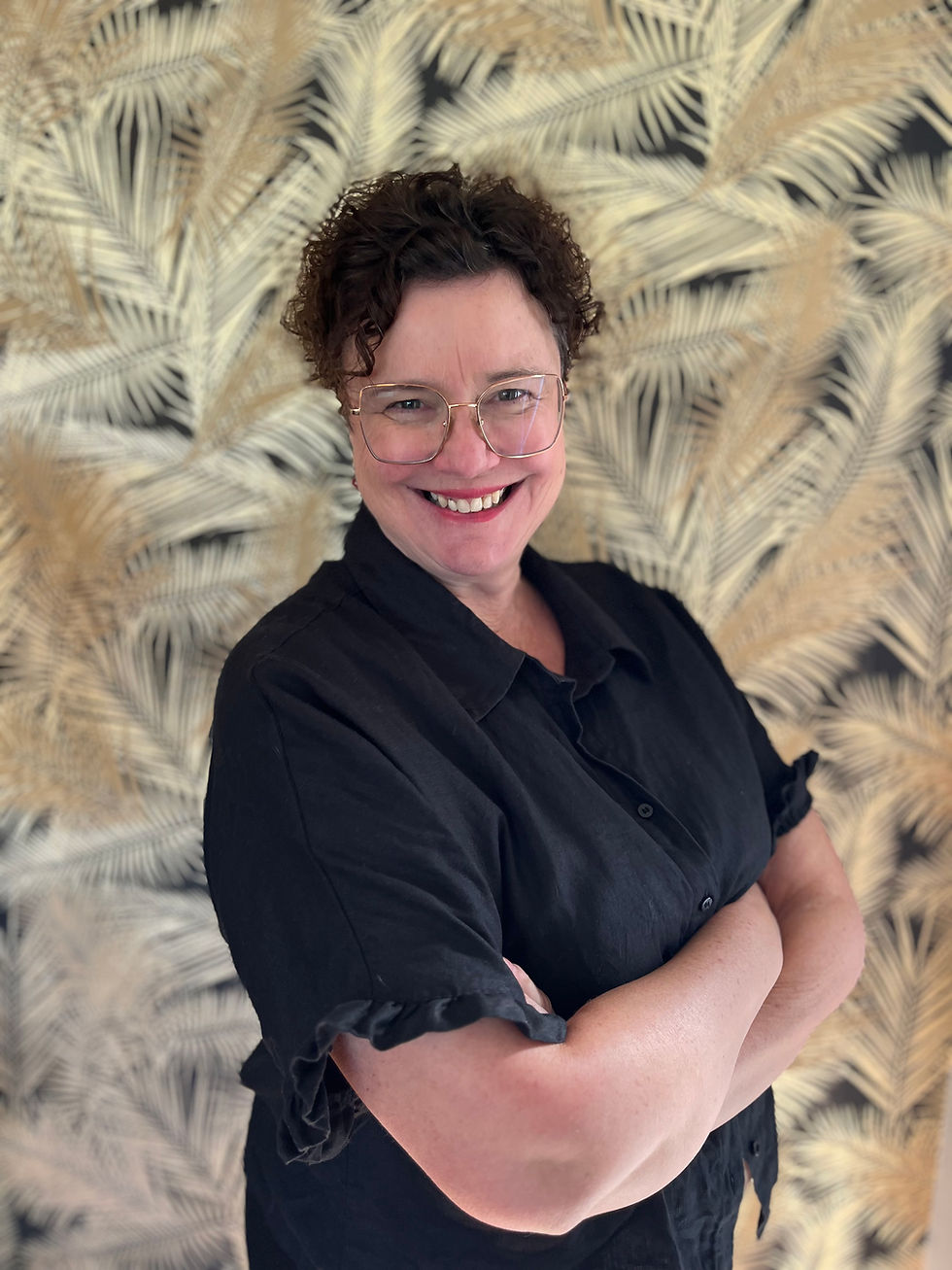
That’s exactly the gap Australian farmer Mia Ryan believes she’s filling with Howdy, a dating app designed specifically for rural and regional communities, which recently launched in New Zealand.
And unlike many tech startups, this one wasn’t born in a shiny city office.
It started with a young woman sitting in the sand after being bucked off a horse.
“I just wanted an app where I could jump on there and meet a farmer,” Ryan says.
The 24-year-old, who lives in regional New South Wales and studies agriculture and international business online while running the app, says she found traditional dating platforms frustrating, shallow and disconnected from country life.
“Country people are just different,” she says.
“You can’t really put your finger on it, but they are.”
The more she spoke to others living remotely, the more she realised the problem extended far beyond awkward first dates.
Loneliness, isolation and a lack of connection were coming up repeatedly, particularly among people working in agriculture and rural industries.
Then she looked deeper into rural mental health statistics.
“They were pretty shocking,” she says.
“I sort of felt like I couldn’t not do something about it.”
Howdy launched in Australia in 2024 and has already attracted more than 30,000 users. Now the app has expanded across the Tasman, partnering with New Zealand Young Farmers as part of the launch.
Unlike traditional dating apps built around endless rapid-fire swiping, Howdy encourages users to slow down and actually read profiles properly.
Ryan says that matters more than people realise.
“You catch yourself dismissing people so casually on other apps,” she says.
“It becomes really shallow.”
The app also removes one of the biggest frustrations for rural users: geography.
Most mainstream dating apps only show people within a relatively tight radius, not particularly useful when your “local” could still be two hours away.
On Howdy, users can widen their search across all of New Zealand and Australia.
And surprisingly, distance does not seem to scare people off.
Ryan says more than three-quarters of the app’s success stories involve couples living more than 300 kilometres apart.
“Not every match will be just down the road,” she says.
“But that’s part of the appeal.”
That might sound strange to city users, but for rural people used to travelling for work, stock sales, sports tournaments and field days, long-distance relationships are often simply part of life.
Ryan believes another reason the app works is because people have to pay to use it.
While many mainstream dating apps offer free access, Howdy is subscription-based, something Ryan says was intentional from the start.
“There’s intent behind it,” she says.
“The people on there actually want to meet someone.”
She says while there was initial pushback from users used to free apps, the paid model tends to weed out people who are only casually scrolling or looking for entertainment.
“This is for people dating with a purpose,” she says.
The app also takes a surprisingly firm stance on ghosting.
When two people match, one person must send a message immediately rather than simply collecting matches and disappearing into the void.
There is even a built-in “It’s not you, it’s me” feature designed to soften the sting of rejection.
“It just takes away that horrible guessing game,” Ryan says.
Ryan says modern online dating etiquette has also changed dramatically, particularly when it comes to talking to multiple people at once.
While that can feel strange for people new to dating apps, she says honesty matters far more than pretending otherwise.
“I think everyone knows now that people are usually talking to more than one person,” she says.
“But once things start getting serious, you need to communicate that properly.”
She believes one of the biggest mistakes people make is spending too long messaging before actually meeting.
“You can almost talk yourselves out of it before you even get to the first date,” she says.
“You already know how many siblings they’ve got, when their birthday is and what their favourite colour is.”
Instead of building anticipation, Ryan says endless texting can remove the natural flow of a first meeting.
“If the date gets a little awkward, you’ve already used all the easy conversation starters,” she says.
Her advice is simple: stop overthinking and meet sooner.
Ryan says plenty of rural users are still making the classic dating app mistakes, particularly when it comes to profile photos. Her advice is simple:
Limit fishing photos to one.
No heavy filters.
And avoid dead animals entirely.
“No one wants four photos covered in blood,” she laughs.
Selfies, she says, are another common mistake.
“I don’t care who you are, nobody looks as good in a selfie as they do in a candid photo,” she says.
Instead, Ryan encourages users to prop their phone up somewhere, film a quick video outdoors and take still images from it afterwards.
“It looks more natural and less staged,” she says.
And authenticity matters.
The polished gym selfies and heavily edited photos common on many dating apps are noticeably absent from Howdy, replaced instead with photos of people sitting in tractors, standing in paddocks or leaning against farm bikes with dogs nearby.
“Just be yourself,” Ryan says.
“The nicest profiles are usually just normal people.”
Ryan also has strong views on first dates.
Forget the high-pressure dinner reservations or late-night drinks.
“I don’t love nighttime first dates because I think they add unnecessary pressure,” she says.
Instead, she recommends keeping things simple and low-key, particularly for rural people already juggling busy, unpredictable lives.
Coffee, lunch or even a walk tends to work far better than an elaborate evening out.
“It’s easier to actually talk and properly get to know someone,” she says.
And when much of rural life already revolves around weather, stock, harvest and long workdays, perhaps there’s something refreshing about a first date that doesn’t feel overly complicated.
The other major difference, Ryan says, is that rural people genuinely understand each other’s lives.
Farm work doesn’t stop at 5pm. Cows get out. Harvest runs late. Rain changes everything.
Trying to explain that to someone completely disconnected from rural life can become exhausting.
“You don’t just clock off and stop thinking about it,” Ryan says.
That shared understanding, she believes, is what makes the platform resonate so strongly.
And while romance may be the headline, Ryan says many users are simply looking for connection in any form.
Friendships, networking and social support are becoming unexpected byproducts of the app.
At one event in Australia, Ryan says a man in his forties approached her emotionally after struggling through drought and isolation on a remote property.
“He said some days he didn’t know if he could keep going,” she says.
“But that night he’d got the numbers of five women and finally felt hopeful again.”
Moments like that, Ryan says, remind her the app is about much more than dating.
“It’s just another tool in the toolkit,” she says.
While romance might be the reason many people initially join, Ryan says plenty of users end up forming friendships and connections that go far beyond dating.
Sometimes there is no romantic spark at all, but there is still common ground, shared experiences and someone who genuinely understands rural life.
“In rural areas, people can feel really isolated socially, not just romantically,” she says.
“Even just having someone to talk to who gets the lifestyle can make a huge difference.”
For some, that connection may turn into a relationship. For others, it might simply mean friendship, community or the reassurance they are not the only person feeling alone out there.
And in rural communities where loneliness often sits quietly beneath the surface, perhaps that matters more than any perfect match ever could.
Howdy is available now on both the Apple App Store and Google Play.


Comments