
International Rural Women's Day: Stacey Hoets


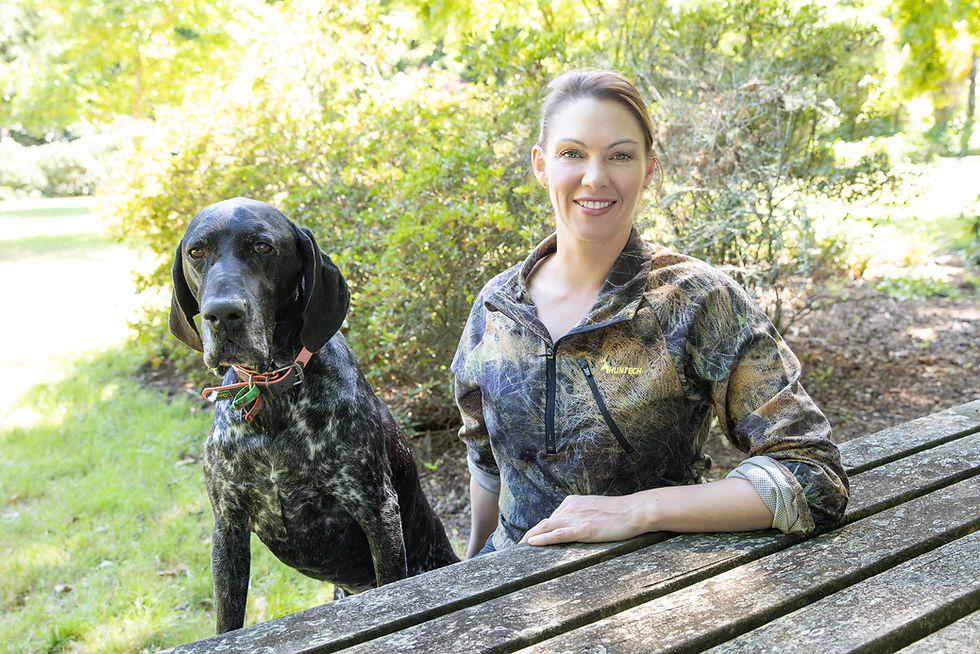
Stacey Hoets is part of a new generation building a future in dairy through equity partnership and a clear pathway towards farm ownership. Based at Akitu Dairies in Mid Canterbury, she and husband Jonathon were among three equal winners of the 2026 Fonterra & ASB First Farm Award at the New Zealand Dairy Industry Awards (NZDIA), recognising first-generation farmers working towards farm ownership.
1. You and Jonathon have taken a first-generation pathway into equity partnership and farm ownership. What has that journey looked like for you so far?
Farm ownership has always been one of our goals. We’ve always tried to be open to learning and take up opportunities that push us outside our comfort zone and allow us to surround ourselves with people we can learn from to help us get to that point. For us, that has included entering the NZDIA and being involved with our regional committee, as well as getting involved with SIDE – first attending and then later helping to organise it. Those experiences have given us different perspectives, new skills and a really good network of people around us.
We have been with the Rylib Group since 2018, and the first couple of years were really about learning the business, understanding the farming systems and getting to know the people we were working with. That time was really valuable in building a strong relationship with Rylib and gave us the confidence to start having conversations about buying into the farm we were on, Kairoa. We were able to slowly build our equity getting us to where we are today on Akitu Dairies.
2. What have been the biggest lessons in moving from working in the dairy sector to having a real stake in the business?
It’s been a real learning curve and a bit of a change of mindset for me. I have never been keen on debt, making it through university without a student loan even, but I’ve had to learn that debt is a tool to help you along the way. It has helped that we have taken it slowly starting with 20% equity and working our way up to 50% where we are now.
3. Do you think women sometimes underestimate the role they play in building the strategy, systems and long-term direction of a farming business?
I can’t speak for other women, but I do think I sometimes underestimate the value I bring to the business. It’s easy to look at the bigger decisions around strategy and direction and think that someone else is taking care of those things. But I’ve know that the smaller jobs matter too. I do a lot of running around town picking up supplies, keeping things organised, helping with odd jobs on the farm or simply being another person to bounce ideas off. I think sometimes we can underestimate our contribution because we’re so close to it and it just feels like what needs to be done.
4. What would you say to younger women who want a future in farming but feel farm ownership is increasingly out of reach?
I would say set yourself some goals and have a bit of a plan for how you might get there, but don’t be too rigid about it. Be open to opportunities that come along, as sometimes the path you end up taking isn’t the one you originally imagined. Patience is definitely key – farm ownership doesn’t happen overnight. There will probably be a few bumps and changes along the way, but as long as you’re continuing to learn, grow and move forward, you’re heading in the right direction.
5. What does being a rural woman mean to you in 2026?
I’m finding as the kids get older life is a real juggle. Women end up wearing lots of hats from taxi driver to cleaner, farmer to home and school committee member and everything else in between. There’s always something to remember, organise or get done, and it can be a lot to hold in your head. But I think that’s also part of what makes rural women so adaptable – we just get on with what needs doing and somehow make it work.
6. What is the one thing you would change for rural women tomorrow if you could?
I think it would be the pressure women put on themselves to do everything and do it well. There are so many expectations around being a good mum, partner, farmer, employee, volunteer and on top of that take care of yourself. Sometimes we can feel like we should be able to juggle it all without dropping anything. I’d love to see more women feel comfortable asking for help, sharing the load and accepting that sometimes “good enough” really is good enough.
7. What’s your rural superpower, the skill, quality or instinct you rely on most?
I don’t know if it’s a rural superpower as such but organisation. I am such a planner with lists and diaries. If I don’t write it down, I’ll forget it so planning my week is an important part of making sure every part of life is getting the attention it needs, including making time for exercise and relaxation!


Comments